
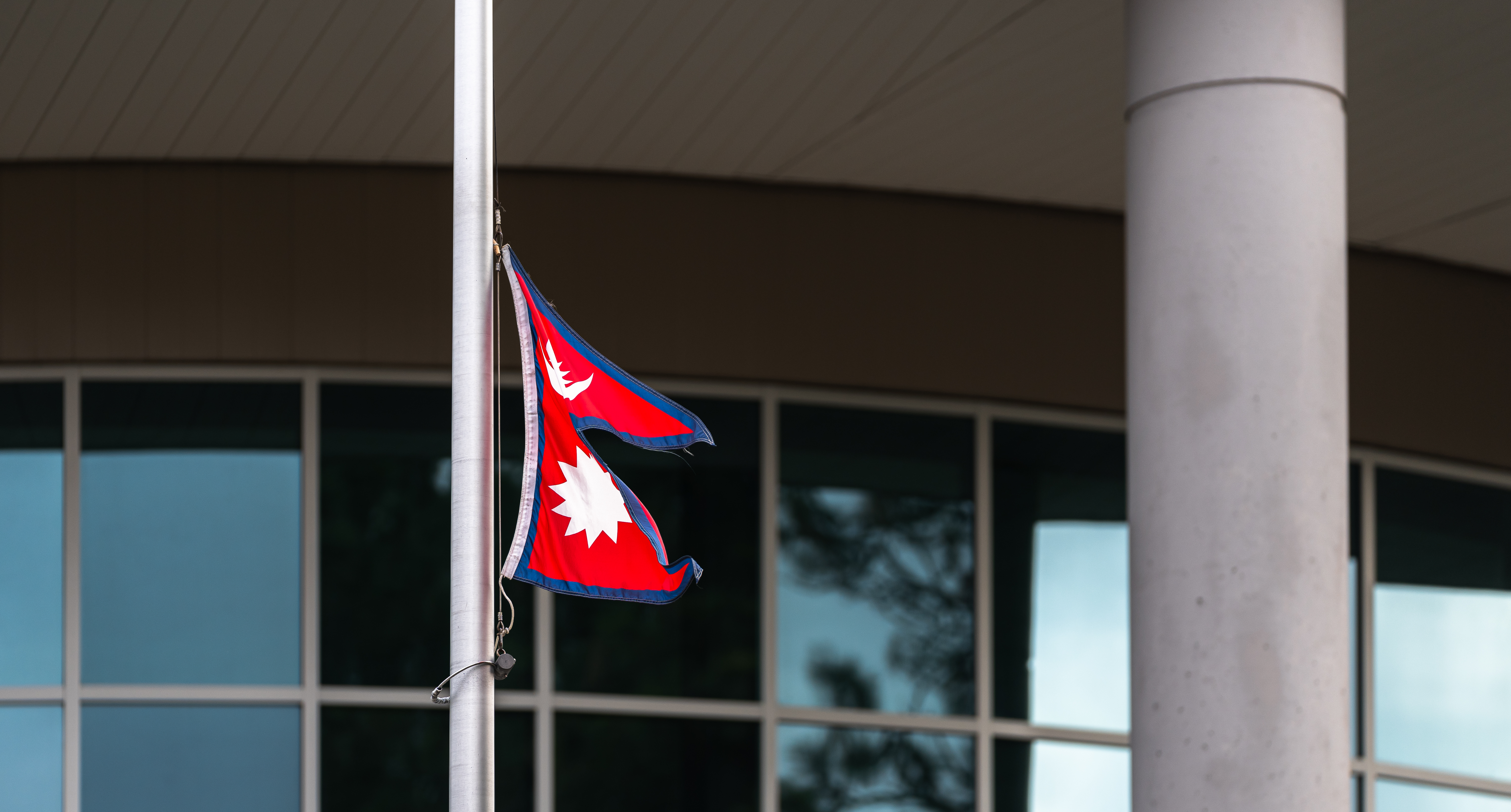
Thompson Rivers University counsellors and faculty members are working to create a stronger support network for Nepali students following devastating floods in Nepal.
The initiative, Standing Together in Difficult Times: Community Circle for Nepalese Students Affected by the 2026 Flood Disaster in Nepal, was organized by Metis TRU counsellor Andrea Broussard and social work faculty member Bala Nikku.
The first gathering took place on Sept. 14, bringing together approximately 30 students seeking connection, support and an opportunity to share their experiences. Broussard said the initiative began after she approached Nikku to ask how she could help students affected by the disaster.
“[Nikku] said, let’s do something for the students,” Broussard said.
Following positive feedback from the first gathering, the organizers decided to continue offering opportunities for students to come together. “You are not alone,” Broussard said, describing the message shared with students during the initial gathering.
The community circles offer students a space to connect with others experiencing similar circumstances while providing access to counselling support and activities focused on emotional well-being. “When your world gets destabilized, you need to be held until you can be stable again,” Broussard said.
The gatherings are confidential, but activities may include guided loving-kindness meditation, which encourages participants to focus on their breathing, practise self-compassion and extend care toward others. The TRU counsellor said the meditation is intended to help students regain a sense of agency when dealing with circumstances beyond their control.
“Oftentimes when faced with any kind of trauma, one of the hardest things and one of the things that’s most helpful is to have a sense of agency,” Broussard said.
Nikku said the initiative is also an opportunity to examine how universities support international students beyond their academic responsibilities.
He said disaster support cannot be limited to an initial response, adding that the challenges people experience often continue long after public attention has moved elsewhere.
“Resilience building will not happen with just one email, one phone call, one counseling session,” Nikku said. “It’s a long-term investment from faculty, from TRU structures.”
Nikku, who teaches disaster social work, green social work and international social work, said his own experiences growing up in an agricultural family in India have influenced his understanding of disasters and their effects on communities.
He also described his connection to Nepal, where his wife and children are from and where he previously taught. Nikku said the initiative is rooted in both personal responsibility and a desire to learn from the students and communities affected.
He emphasized that the gatherings are not simply about aiding, but also about listening to students and understanding their experiences.
“Disaster resilience is not a single story,” Nikku said. “There are many stories within that one big story.”
He said the initiative could also help TRU better understand its responsibilities as an institution that welcomes international students from communities around the world.
Nikku hopes the university can continue developing longer-term relationships with students and consider how different departments can contribute to supporting them.
He also encouraged domestic students to build connections with international students by sharing their experiences and helping them navigate life in Kamloops, “By talking to them, sharing your story, you will learn their story,” Nikku said. He added that these relationships can help students develop a greater appreciation for one another and the communities they come from.
Broussard said she has inspirations for future gatherings that could also incorporate her Metis background. “My hope is for future offerings to bring a Métis elder in and to talk about some of our values as hosts.”
For Nikku, the initiative represents an opportunity for the university community to put its values into practice. He said supporting international students should extend beyond recognizing their contributions to the university and include building meaningful relationships with them.
“What we do for others is important,” Both Broussard and Nikku said. “So, take care of them now.”