
Thompson Rivers University’s student-run research journal, Future Earth: A Student Journal on Sustainability and Environment, has published dozens of student works since 2025, but its future depends on securing stable funding.
The open-access journal gives undergraduate and graduate students an opportunity to publish research and creative work related to sustainability and the environment. Its multidisciplinary focus includes environmental economics, conservation, climate policy, sustainable technology and social sustainability.
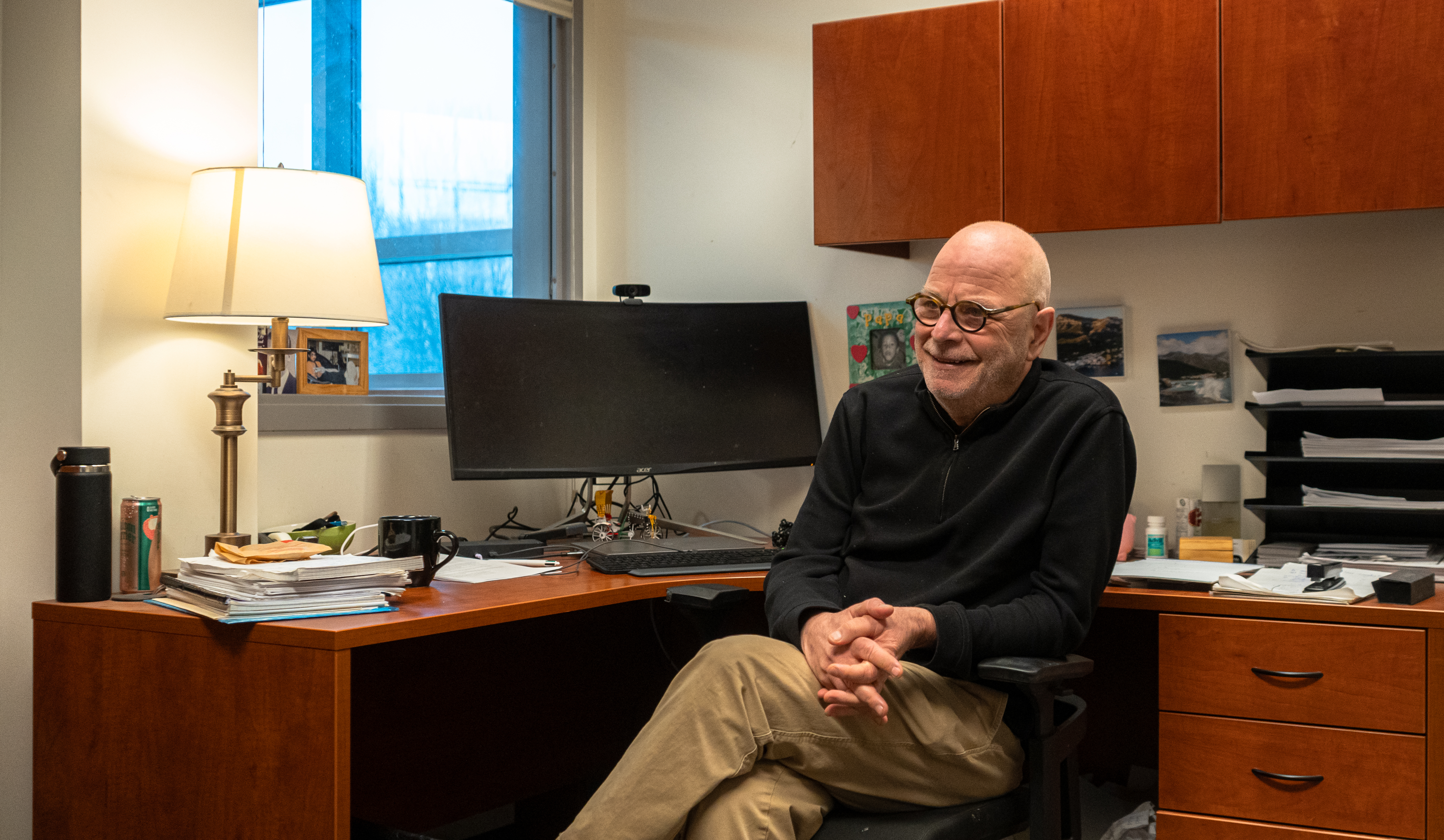
Peter Tsigaris, co-editor and founding lead of Future Earth, outlined a proposal in September seeking annual institutional funding of $10,000 to $15,000 to support the journal’s operations over its initial two years.
The proposal follows the March 31 closure of active operations at TRU Open Press, which had provided institutional support for the journal. According to Tsigaris’s proposal, the transition left Future Earth without a stable funding arrangement for approximately six months.
The editorial team continued operating during that period, with support from the Thompson Rivers University Students’ Union helping the journal meet existing obligations.
The proposed funding would support editorial and production work, accessibility, communications and quality assurance. The journal also has immediate tasks, including copy-editing and producing two accepted papers, preparing a special issue, and improving its website.
Giving student research a wider audience
According to the proposal, Future Earth published 61 items between March 2025 and Sept. 15, 2026, including 19 items in 2025 and 42 in 2026.
The Future Earth Student Journal recorded 30,145 article interactions during that period, including 12,481 abstract views and 17,664 file views or downloads. The proposal cautions that the statistics may include automated traffic, so the figures do not necessarily represent individual readers.
The journal publishes research articles, case studies, reviews, commentaries, opinions, book reviews and creative work. Students can submit work independently or collaborate with instructors, provided students are listed as first author when publishing with a faculty co-author.
“We don’t only accept research articles, we accept commentaries, opinions, perspectives, many book reviews, also literature reviews, so we accept a variety of things.” Tsigaris said when asked about who can submit work through Future Earth. He also explained that any student from any program can submit articles, if it is academically correct.
Faculty editors and qualified experts review submissions, with the level and form of review depending on the type of work submitted.
The journal is free for both authors and readers. It uses the Open Journal Systems platform, hosted through the BC Electronic Library Network, which also supports its publishing infrastructure.
Students describe the value of publishing
For students who have contributed to Future Earth, publication can offer experience beyond completing a university assignment.
In a testimonial included in Tsigaris’s September proposal, student author Kris Kadaleevanam said seeing their research published helped build confidence and encouraged further academic work.
“Seeing my name on a peer-reviewed publication gave me confidence that I could actually contribute to academic research,” Kadaleevanam wrote.
Kadaleevanam also said the experience encouraged them to take on more research projects and present work at conferences.
Jackson Weeber described publication as an opportunity to develop professionally while still studying.
“Having my name attached to published research this early in my career is something I am genuinely proud of,” Weeber wrote in the proposal.
Weeber said working with editors and other students helped them understand how research develops from an idea into a published piece. They also described the publication as a valuable addition to their curriculum vitae and a way to build a professional reputation.
For Trang Minh Phan, publishing provided both recognition and motivation to continue researching environmental economics.
“Having my article published in the Future Earth journal gave me a sense of validation and motivation, knowing that my work was being recognized and contributing to a larger body of research,” Phan wrote.
The testimonials illustrate how the journal can help students develop research experience while making their work accessible to readers beyond the university.
Seeking long-term support
Tsigaris’s proposal recommends keeping Future Earth as TRU’s flagship student journal while potentially expanding participation to other Interior institutions, then across British Columbia and eventually Canada. With an expansion, Tsigaris says that it can create a network for resources like editors readily available.
The proposal prioritizes stable funding and managing-editor support to maintain publication, improve the journal’s website, and strengthen its editorial processes. Also proposed is an interim allocation of approximately $3,000 to $5,000 to address immediate production needs while the university considers longer-term support.
The proposal does not establish that the university has approved the requested annual funding.
For now, Future Earth provides TRU students with a platform to share research across disciplines and build experience in academic publishing. Its continued development will depend on whether the university can establish a sustainable operating model for the journal.