
Thompson Rivers University has recorded one reported overdose incident since the provincial government updated its overdose prevention and response guidelines, according to Baihua Chadwick, the university’s vice-president of students and global engagement.
Chadwick shared the figure in an interview with The Omega, explaining that TRU has an overdose prevention and preparedness plan that is being updated to reflect provincial guidance. The university also launched an overdose prevention and preparedness website in August 2026 to provide students, faculty and staff with information about responding to suspected overdoses.
“Even one is too many,” Chadwick said, referring to the reported incident.
A campus-wide approach to prevention
Chadwick said TRU began developing its own overdose prevention plan before the provincial government announced updated guidelines in August 2024.
“Many of the new updates from the provincial government, we already covered them in our own plan,” she said.
Chadwick said the university is continuing to incorporate new updates as circumstances change. Responsibility for implementing the plan resides with her office in collaboration with senior leaders in the university’s administration.
The university’s approach includes overdose response training, outreach through the Wellness Centre and measures intended to help students access assistance when they may be at risk.
Chadwick said the Wellness Centre provides free naloxone training to students, faculty and staff, as well as outreach to student residences. Security officers and residence advisers receive training, and student wellness ambassadors also help provide education.
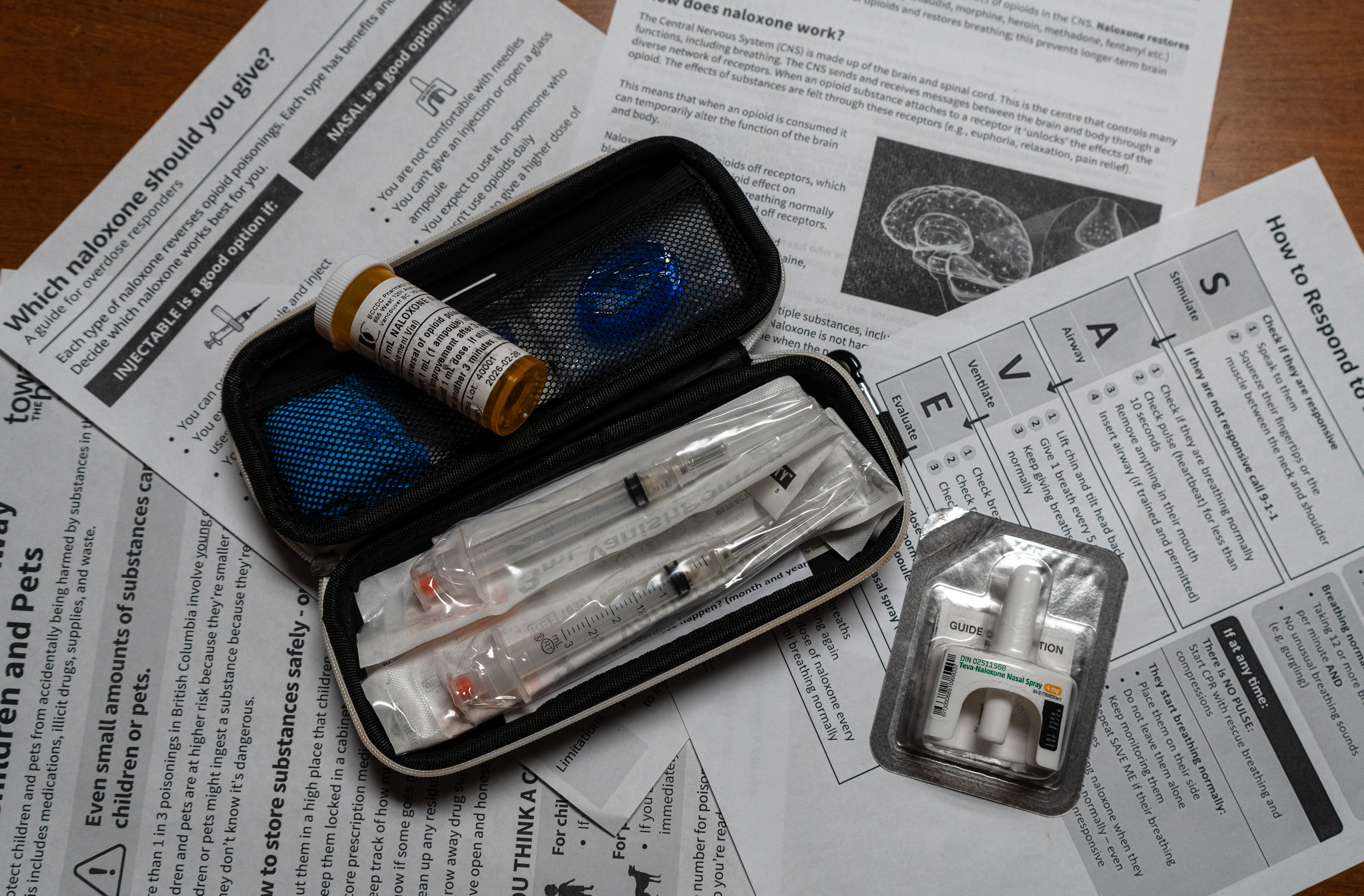
Naloxone is a medication that can temporarily reverse an opioid overdose. Chadwick said the training helps community members recognize an emergency, locate naloxone kits and understand how to respond.
She emphasized that people should call 911, administer naloxone when an opioid overdose is suspected and stay with the person while awaiting emergency assistance.
Wellness checks and reaching students in private spaces
Overdose prevention can be challenging when students use substances alone or in private spaces, where others may not immediately recognize an emergency.
Chadwick said TRU uses education and wellness checks as part of its response.
When concerns arise about a student’s well-being, trained residence advisers or campus security officers can check on the student, including by going right to their door if they have not been seen for some time.
Chadwick said the university’s approach involves both ensuring people know how to respond to an emergency and encouraging students to feel comfortable seeking help.
“Removing the stigma may save lives,” she said.
She added that the Wellness Centre provides education intended to help students discuss substance use more openly and understand the importance of seeking support.
Campus health staff identify further measures
Chelsea Corsi, the Wellness Centre coordinator and site coordinator for the BC Centre for Disease Control’s take-home naloxone program, has been involved in overdose prevention education at TRU since approximately 2017.
Corsi said the university has increased access to naloxone and provided education through classroom visits, outreach events, residence programming and online resources.
She also identified drug checking as a potential next step for the university.
Corsi said she has been in contact with Ask Wellness about the possibility of bringing drug-checking services to campus through collaboration with community organizations already providing the service.
“It gives them an informed choice that if they know what’s in their substance, they can choose if they want to use it or not,” the coordinator said.
Corsi also added that access to these services would complement existing prevention efforts, alongside education about the risks of substance use and the importance of reducing stigma. “If people don’t feel safe asking a question or reaching out for supports, then that can be harmful,” she said.
Resources available to students
TRU students concerned about their own substance use or the well-being of someone else can access support through the Wellness Centre, student wellness ambassadors, counselling services, student case managers and residence advisers.
Corsi said student case managers can also help students navigate challenges involving academics, finances and other personal circumstances that may affect their well-being.
Chadwick encouraged the entire campus community to use the university’s new overdose prevention and preparedness website or visit the Wellness Centre for training.
“It takes a village, to raise a child. So in this case, it takes the entire TRU community to ensure safety. And the overdose prevention and preparedness really is the responsibility of the entire community here.” Chadwick said. “So I would like to invite all TRU students, faculty and staff to take the time to use the resources we provide either through the website or come to the Wellness Center for education, so we all know we all play a part in overdose prevention.”
Corsi similarly emphasized that students should feel able to ask questions and seek support without fear of judgment.
As TRU continues updating its plan, the university’s reported incident figure, its approach to wellness checks and the availability of training provide a picture of its current efforts. Whether additional measures, such as on-campus drug checking, will be introduced remains an open question.