
Five of six male university-aged athletes interviewed in a TRU research project believed the alleged sexual assault at the center of the 2018 Hockey Canada World Junior sexual assault trial, despite the accused players being found not guilty.
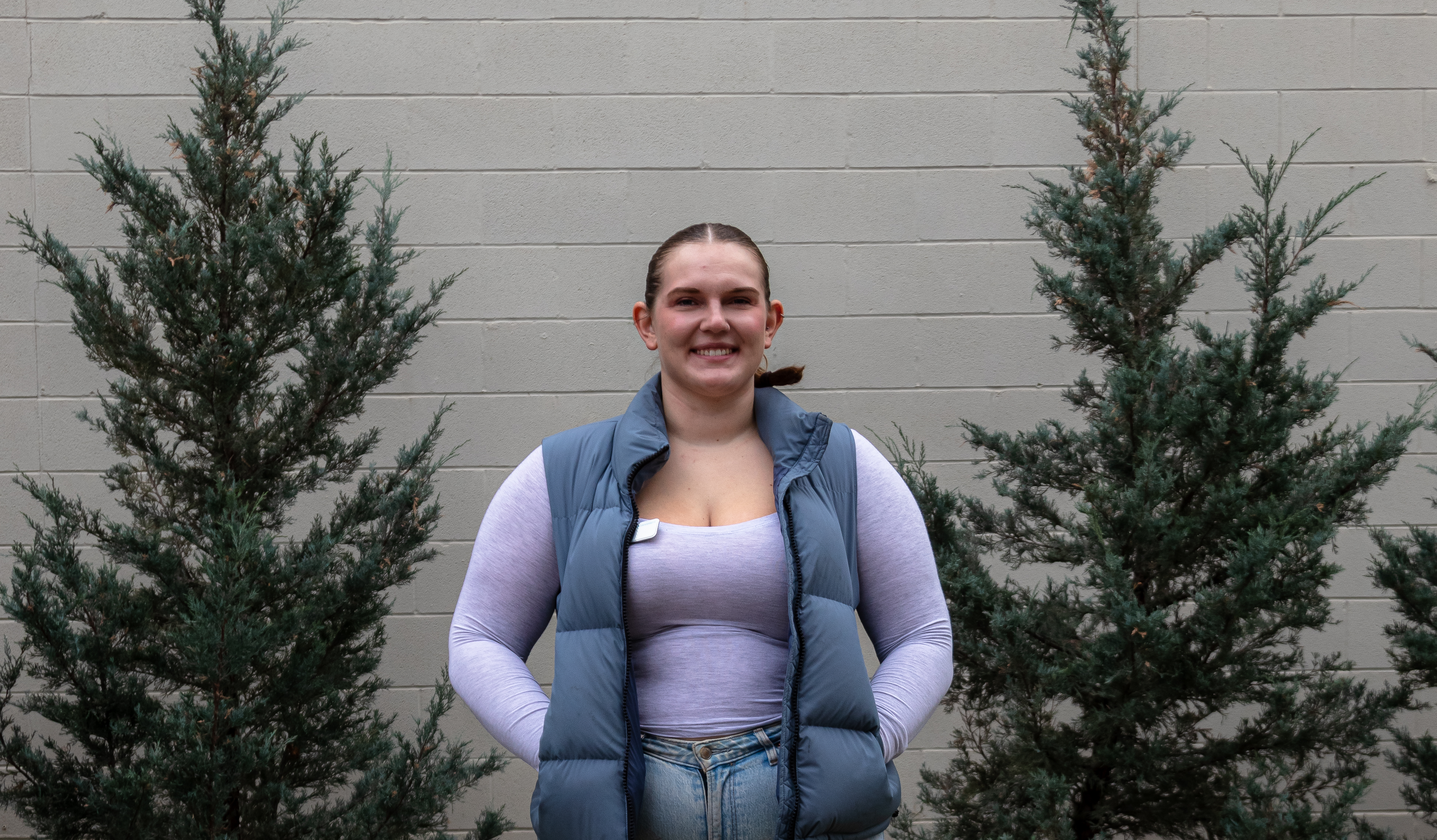
Talia Smith, a fourth-year Bachelor of Social Work student at TRU, interviewed six male athletes as part of an Undergraduate Research Excellence Award project examining how the Hockey Canada sexual assault case influenced their understanding of consent and sexualized violence.
Smith wanted to understand how the case challenged athletes’ assumptions about consent and how the pressures within team environments make it difficult for athletes to speak out against harmful behaviour.
The case, officially named R. v. McLeod, et al., 2025 ONSC 4319, raised national attention about the question of consent, accountability, and the culture surrounding elite hockey. Five players, Michael McLeod, Carter Hart, Dilon Dubé, Alex Formenton, and Cal Foote, were charged in connection with an alleged 2018 assault involving a woman in London, ON. All five were acquitted at trial in July 2025.
This case was a starting point for Smith, who sought to understand how its outcome influenced athletes’ perceptions of sexualized violence and consent.
At the beginning of the interviews, nearly all participants expressed confidence in their understanding of consent. Many said they grew up receiving information from family, health classes, or safe-sport programs, and believed they already had a clear understanding of right and wrong.
“I think I was good on it before,” one participant said.
But the athletes were then presented with the Hockey Canada case in detail, and the conversations raised questions about how understanding consent can be affected in situations with pressure, coercion and power imbalance.
One emergent theme in the study, Smith found, was the idea that sexualized violence happens elsewhere, but not within a group someone belongs to.
Smith described this as the common belief that, “I’m a good guy, so, I wouldn’t do this, but other people would.”
Recognizing the difference between sexualized violence as a broader issue and recognizing how it could happen within a person’s own team, according to Smith, became an important part of the research.
Five of the six participants believed the alleged assault had occurred, despite the acquittals. They interpreted the verdict as the prosecution had not met the criminal standard of proof beyond a reasonable doubt, rather than as proof that the alleged events had not happened.
One participant had initially described having a “pretty strong view on what consent is” before the study. However, once he had examined the case, he reconsidered how consent may look in situations involving a power imbalance and pressure.
“There’s eight dudes in there, professional athletes,” the one participant said when reflecting on the circumstances described in the case. “There’s nothing she could have done to get out of that room if they didn’t want her to leave.”
Smith said the discussion encouraged participants to consider how consent could be influenced by the circumstances surrounding an encounter, including the number of people involved and the pressure someone might feel.
The interviews also highlighted the idea that agreeing to spend time with someone does not mean consenting to sexual activity with that person or others.
The conversations in the interviews then moved beyond individual relationships and moved into the culture within sports teams.
Participants described their teams as close-knit groups, often comparing them to families or brotherhoods. While those relationships can provide athletes with a strong sense of belonging, the study found that loyalty to these ‘brotherhoods’ can also make it difficult to challenge each other when harmful behaviour arises.
Four of the six participants identified the risk of social ostracism and damaged friendships as potential consequences of reporting a teammate.
“When you do something that goes against the group norm, it affects the relational aspect of the sport that they’re in a lot of the time, which is why most people stay quiet and don’t report when things happen,” Smith said.
According to Smith, the pressure of the group culture may make athletes hesitant to speak up about inappropriate behaviour, as they may fear losing their place within the group and create a culture of silence.
She also pointed to the tension between team loyalty and individual responsibility.
“You lose your individuality almost when it’s like we are the […] team,” Smith said. “You lose the individuality to think for yourself and recognize when things are wrong.”
The study also explored participants’ concerns about false allegations and the potential damage accusations can have on athletes’ reputations. However, participants also acknowledge the public scrutiny and online harassment that survivors can face when they come forward.
Some participants questioned whether sports organizations, including Hockey Canada, prioritize reputation and financial interests over education and accountability.
One participant said organizations were “more concerned about the team reputation and sponsorship deals” than educating players about respect.
The findings highlighted the challenges athletes face in speaking out, it also raised questions for the participants about how sports organizations can better educate athletes and prevent sexualized violence.
Participants questioned the effectiveness of online training modules and suggested more discussion-based education using real-world cases to explore coercion, group pressure and consent. They also highlighted the importance of confidential reporting options and accountability from coaches and team leaders.
For Smith, the issue goes beyond simply teaching athletes the definition of consent. It is about creating a culture where women can participate in sport without having to constantly worry about their safety.
“I just want to live in a world where … women aren’t discriminated against and aren’t sexualized for literally just existing,” Smith said.
Smith completed the project through TRU’s Undergraduate Research Excellence Award program and hopes to publish her findings.