
For over 40 years, Kamloops has been referred to as The Tournament Capital of Canada. More than just a catchy slogan, the title reflects how intertwined sport and recreation culture is with the city’s identity. It also sets expectations for how the city should support its local sports programs and recreation communities.
In June 2024, Kamloops city council introduced the Build Kamloops plan, with the purpose of re-establishing Kamloops as a prominent recreational and cultural destination. Build Kamloops, an expansion of of the 2019 Recreation Master Plan, intended to address infrastructure gaps by outlining a multi-year strategy to help existing facilities meet growing demands while also creating new sport and recreation opportunities.
Carolynn Boomer, executive director of PacificSport Interior BC, has been involved in discussions about Build Kamloops through committees and focus groups. She suggested that priorities for Build Kamloops should involve accessibility, affordability and addressing barriers to participation.
“I do think that Build Kamloops addresses the main needs [of the sport community],” Boomer said. “It is looking at Kamloops, not just at this moment in time, but putting concrete plans with community input for 10 to 15 years.”
PacificSport is a non-profit organization that supports athletic and coaching development, while also promoting lifelong participation in sports and physical activities. The organization supports local events and sports programs across the Interior B.C. region. Boomer, who has been executive director for 31-years, viewed some of the present needs of the Kamloops sports community as increased core funding for sports organizations, retrofitting aging facilities, and expanding access to in-demand recreation spaces.
“We need more ice,” Boomer said. “Swimming lessons are full in five minutes or less.”
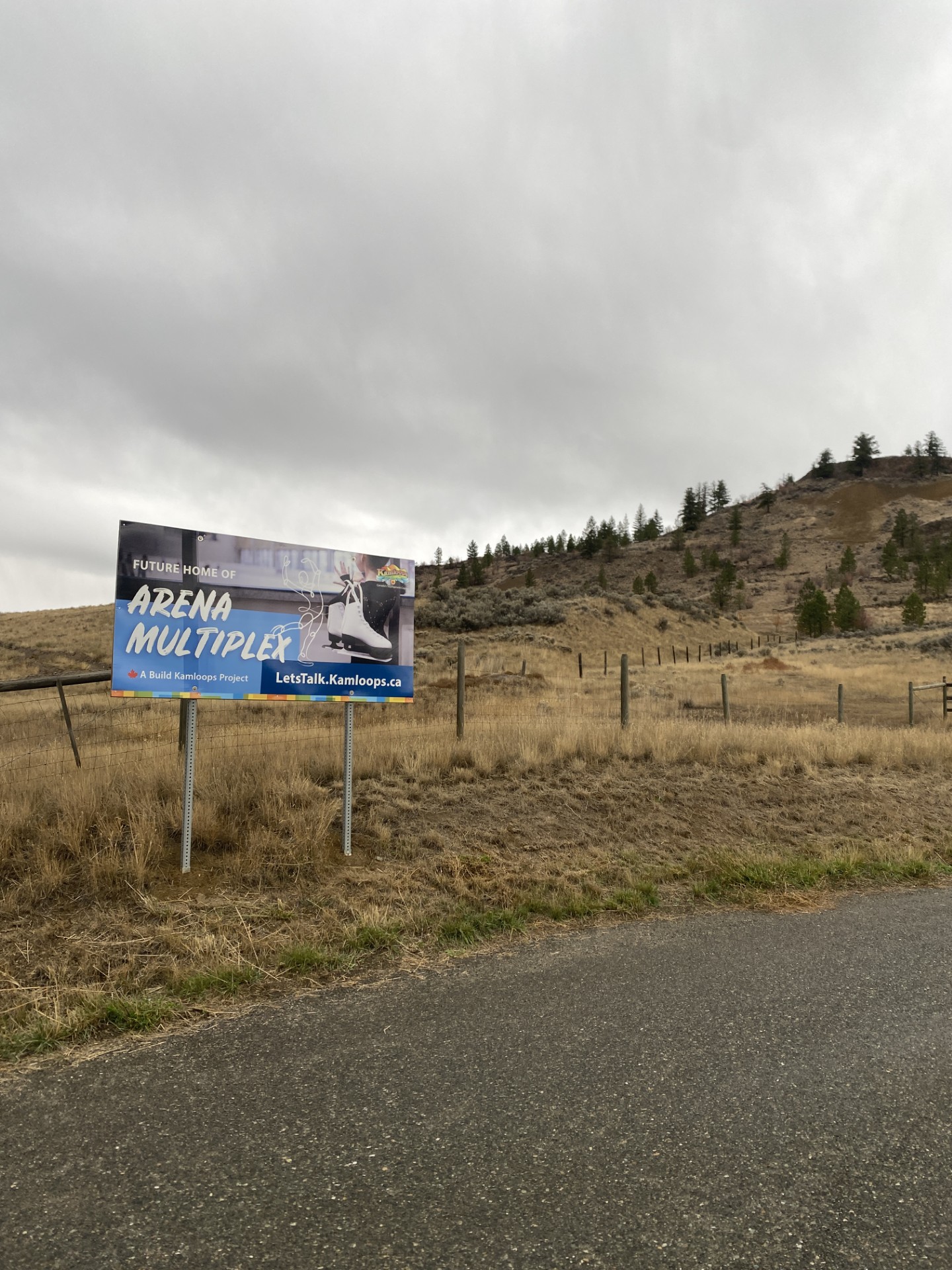
The official Build Kamloops website has listed recent milestones such as opening the Kamloops Seniors Community Centre, repairing the indoor soccer dome, and installing a mini rink at McArthur Island. The program has now begun development of major facility projects including the Kamloops Centre for the Arts and the Arena Multiplex, while future projects include the indoor field facility and Curling and Racquet Sport Complex.
However, as Build Kamloops enters a new phase, Kamloops also approaches a significant municipal election. The project has become a major point of discussion in this election cycle due to debates over spending and priorities. Depending on who is elected, the priorities and timelines of Build Kamloops could change, potentially affecting the local sport and recreation community.
Mayoral candidate Mike O’Reilly and council candidate Kelly Hall are among those advocating for Build Kamloops to move forward under its current plan. O’Reilly’s platform states that “Build Kamloops must continue to move forward to meet our community’s recreation needs.” It further says that new facilities provide local families and athletes with more ways to take part in sport and recreation.
Kamloops Mayor Reid Hamer-Jackson suggests a different approach. Hamer-Jackson is not directly opposed to Build Kamloops, but wants to pause the program to review its spending and pace. His platform describes the conversation as “an argument about sequence and about pace,” and suggests “getting the finances, the crime and the social issues under control first, so the projects that follow are ones the city can actually afford.”
TRU students and athletes also frequent existing recreation facilities, with the university directly running athletic programs out of facilities such as the Tournament Capital Centre. In an email statement, Curtis Atkinson, TRU’s director of athletics and recreation, said, “Development of new facilities in the city for sport and recreation is a positive for TRU students. Any opportunities for TRU students to engage in programming that contributes to active lifestyles, enhanced training, and meaningful competition would be well received.”
Atkinson also said that TRU soccer programs would greatly benefit from the indoor field facility, as they would be able to train year-round without weather concerns. They would also be able to host club teams and other universities more consistently, as weather conditions would be less of an obstacle. And while the TRU Hockey Club will remain in Logan Lake, more access to ice time through the Arena Multiplex could further grow the program.
With uncertainty abound, and as municipal candidates quibble over the pace and priorities of Build Kamloops, pressure to meet the needs of a growing population remains. For the local sport and recreation community, the need for more space and improvements to aging facilities is already apparent.