
We have liftoff.
In recent weeks, NASA worked tirelessly to prepare for a launch scheduled for April 1, named Artemis II. The mission was the first crewed lunar mission since the Apollo program, which ended in 1972. Artemis II tested spacecraft systems and proved humans can safely travel to and from the Moon in preparation for future lunar landings. The crew consisted of Commander Reid Wiseman, pilot Victor Glover, as well as the mission specialists Christina Koch and Jeremy Hansen.
Artemis II is part of NASA’s new “Artemis” program, which is trying to return astronauts to the lunar surface and establish a long-term human presence on the Moon. Unlike the Apollo missions, which focused on short-term exploration, Artemis is designed to support long-term missions and lay the groundwork for eventual human travel to Mars. However, don’t spin into orbit just yet because they are just taking off.
On April 1, Artemis II lifted off from Kennedy Space Center aboard NASA’s Space Launch System (SLS). The spacecraft, formally known as the Orion capsule, is NASA’s next-generation crew vehicle made to carry astronauts beyond Earth’s orbit. As the crew entered high orbit, the mission marked the first human deep-space flight in more than 50 years. The crew also shared images and messages back to Earth, offering a new human perspective from deep space. Over the next two days, the crew conducted life support system validation, communications and navigation tests.
From April 2 to 5, the spacecraft performed a trans lunar injection burn (TLI), a manoeuvre that propels a spacecraft from Earth’s orbit onto a path towards the Moon. The crew travelled over 250,000 miles away, farther from the Earth than any human before. This marked the moment the mission entered cislunar space, which means deep space beyond Earth’s orbit.
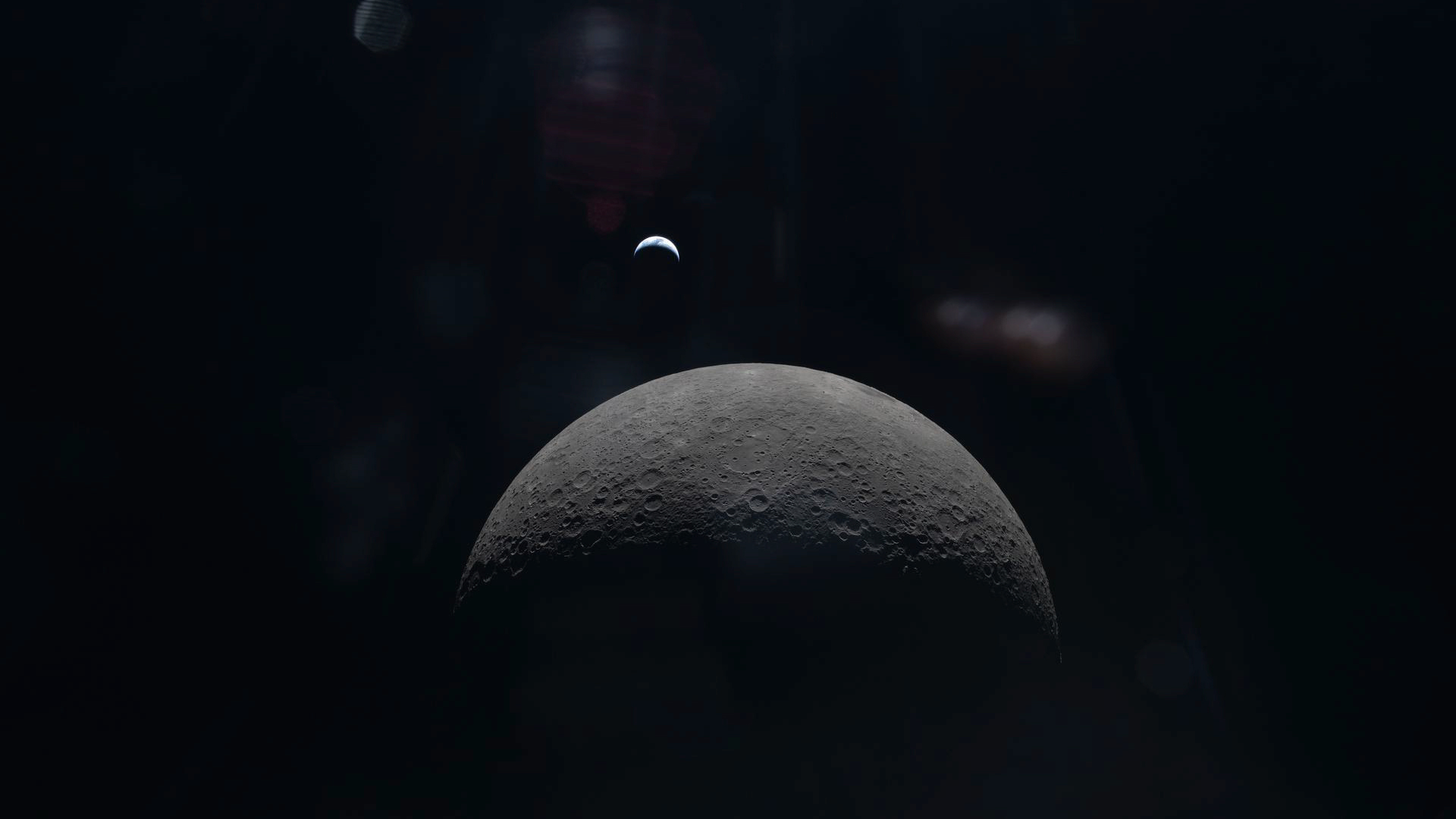
From April 5 to 6, the spacecraft performed its close flyby of the Moon, around 6,500 km from its surface. This marked a historic milestone for Koch, Glover and Hansen, as the trio became the first woman, first Black astronaut and first Canadian, respectively, to reach the vicinity of the Moon. As the crew orbited the Moon, they made observations about its surface and conducted systems stress testing. This moment broke the previous human distance record in Apollo 13. Additionally, during the mission, the crew also honoured Commander Reid Wiseman’s late wife, Carroll, by naming a lunar crater after her, marking an emotional moment during their flight. This moment still had to go through the International Astronomical Union for approval.
From April 10 to 11, the Orion re-entered Earth’s atmosphere at speeds of 24,000 to 25,000 mph, with extreme heat reaching up to 2,700 C. This was considered the most dangerous phase of the mission. The capsule eventually landed, known as splashdown (considered a precision landing), in the Pacific Ocean near San Diego. Overall, the mission lasted 10 days, and the crew travelled over 694,000 miles. Immediately after landing, the crew was recovered by American Navy vessels and experienced difficulty walking due to rapid, extreme changes in gravity.
Nevertheless, NASA reported the astronauts came back in “excellent health.” The crew were flown back to home base at Johnson Space Center in Houston the same day, where they underwent medical evaluations and received data for future missions.
This mission marked a key test for future trips, as it validated systems for Artemis III, a planned Moon landing and, eventually, a lunar base, with a proposed 2028 launch. This showed humans are capable of deep space travel and is a clear representation of international collaboration, including Canadian astronaut Jeremy Hansen.