
The ripple effects of tensions arising from conflict between the United States-Israeli forces and Iran are hard to ignore as they have resulted in rising oil prices, risk of recession and an increase in the cost of living in Canada.
BMO Economists, including Managing Director and Chief Economist Douglas Porter, noted that there are risks that could extend the conflict, leading to disruptions to key shipping routes and potential damage to regional energy infrastructure in Iran and other Gulf countries, adding that these factors could keep markets on edge for weeks.
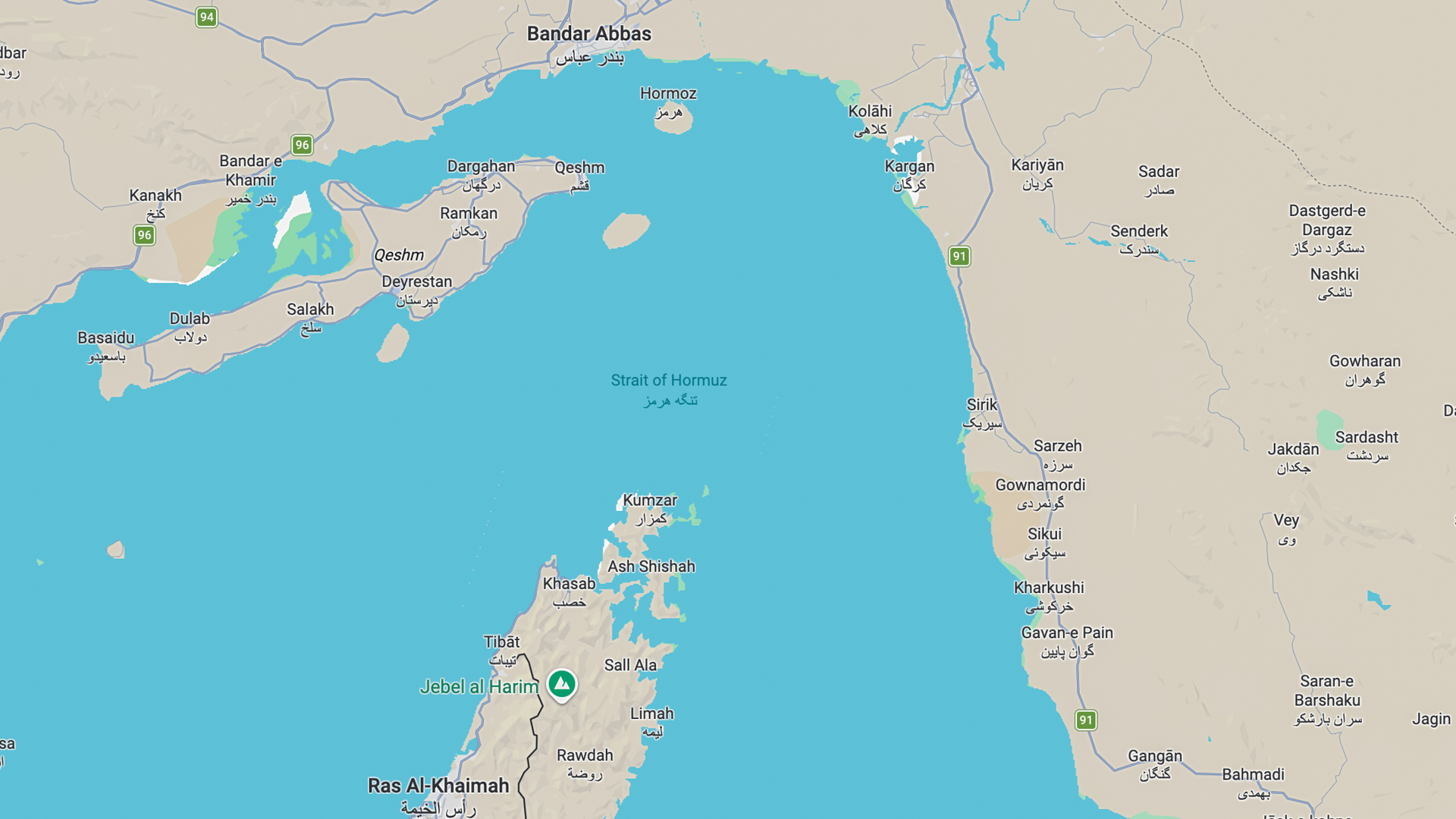
Laura Lamb, chair of TRU’s economics department, emphasized that much of the concern centers on the Strait of Hormuz, one of the world’s most important oil shipping routes. Roughly 20 per cent of global oil supply passes through the narrow waterway, making the region a critical artery for international energy markets.
Because such a large share of global oil moves through the strait, even minor disruptions can ripple across global supply chains. Energy markets were quick to react to the instability.
“Oil prices have been volatile, and the price of crude oil has risen as well as the price at the retail gas pumps in Canada,” Lamb said. “For instance, earlier this month, the national average gas price in Canada jumped 14% in one week.”
Movement along major shipping routes has been disrupted, with vessels being forced to take alternative paths. Attacks on key ports and energy infrastructure have further strained an already pressured supply system.
“Consider that gasoline, diesel and jet fuel are made from crude oil, thus the prices of those products will also rise, affecting prices of commercial transportation and airline industries,” Lamb said, adding that many oil industry experts expect prices to continue climbing if tensions escalate.
Canada’s position as an oil-producing country may soften the economic impact compared with nations that rely heavily on imported energy, BMO economists, including Porter, emphasized.
“Since Canada is an energy producer, some sectors will benefit from higher oil prices,” Lamb said. “For instance, higher oil prices result in higher profits in the energy sector as well as government royalties and tax revenue associated with oil production.”
Still, Canada remains exposed to global energy fluctuations.
“In sum, the Canadian economy is vulnerable but less vulnerable than oil-importing countries,” Lamb added.
Economic sanctions are often imposed by national governments and international bodies as an alternative to military action in times of conflict.
“[Sanctions] often fail to produce direct behavioural change and may generate unintended consequences,” Lamb said. “The humanitarian concern is that the sanctions can cause hardship for civilian populations rather than the ruling elite.”
History shows that sanctions can have mixed outcomes. International sanctions targeting Iran’s oil exports and financial system helped push negotiations that led to the 2015 nuclear agreement, Lamb noted. But other sanctions have been less effective.
“U.S. sanctions on Cuba since the 1960s caused economic hardship but failed to produce major political change, illustrating how sanctions may impose costs without achieving their intended policy goals,” Lamb said.
The focus now shifts to the present-day context, where ongoing developments continue to shape potential outcomes and influence how the situation may evolve in the coming weeks.
“[It is] difficult to say if current sanctions in Iran will result in their desired effect,” Lamb said. “There is some economic impact on Iran, but their effectiveness in changing government behavior during the current conflict is unclear.”
A key global shipping route has been disrupted, limiting the flow of oil, gas and other essential exports while placing additional strain on supply chains.
“When global conflicts threaten energy markets or supply chains, governments typically respond with a combination of emergency, fiscal, and structural measures designed to stabilize prices, secure supply and protect the economy,” she said.
One recent response by several governments has been the release of oil from strategic reserves, a move Lamb believes is intended to offset rising energy costs and stabilize global markets.
“The International Energy Agency (IEA) and its 32 member countries recently agreed to release roughly 400 million barrels of oil from emergency reserves, the largest coordinated release in history,” said Lamb.
On Sunday, President Trump said that the United States would be giving Iran two days to open the Strait of Hormuz or face attacks on its power plants. This morning, however, Trump said he would extend the deadline by an additional five days. In the wake of the announcement, oil prices dipped while the stock market rebounded slightly. How long the reprieve will last is anyone’s guess. For now, rising costs remain a key concern, with households likely to feel the impact across everyday spending.