
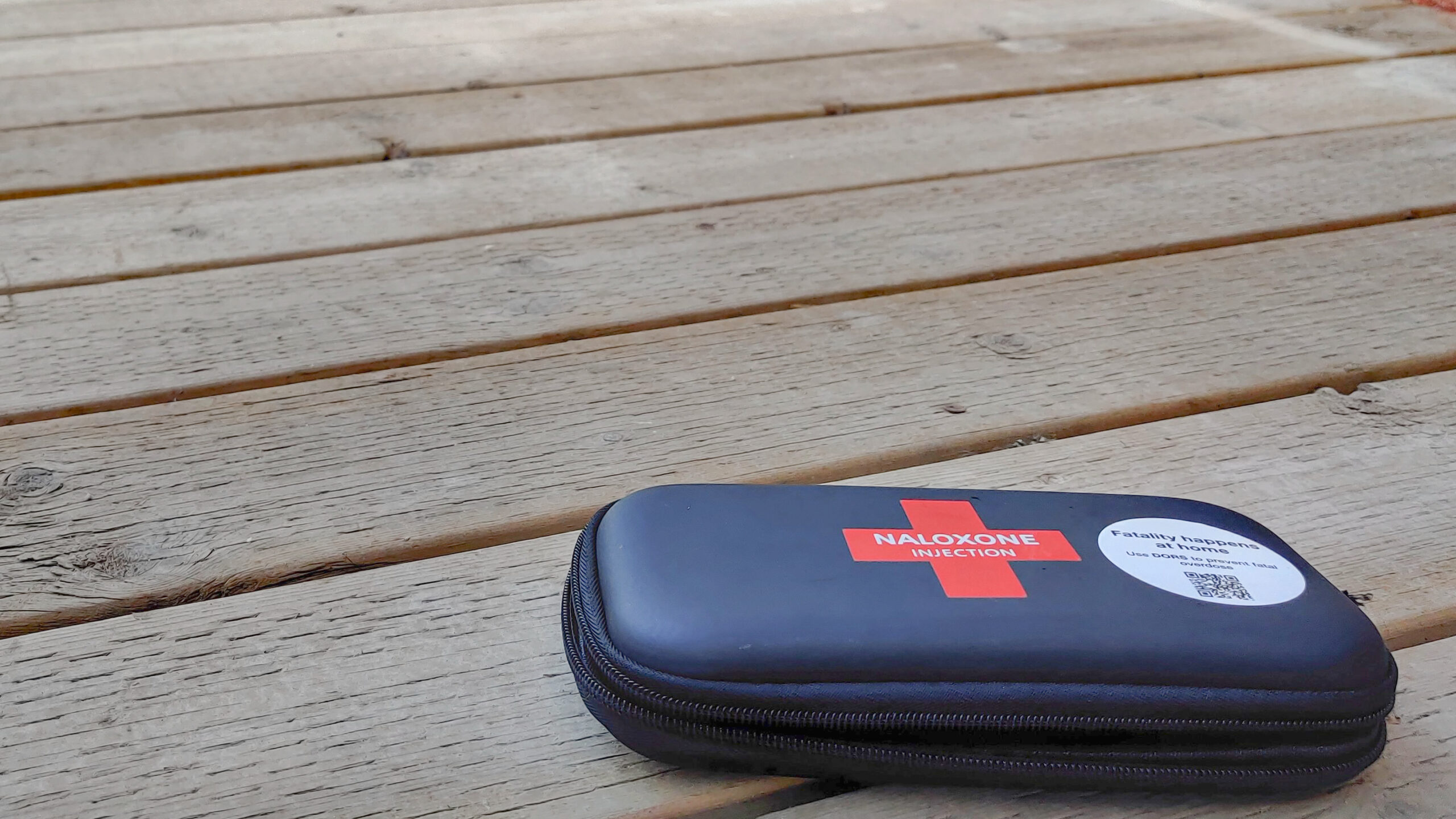
B.C.’s three-year drug decriminalization pilot program ended Jan. 31, returning criminal penalties for possession of small amounts of certain illegal drugs. The exemption was introduced to reduce stigma and encourage people to seek help without fear of arrest. With the policy now over, people working in harm reduction, recovery services, mental health and policing spoke with The Omega about how the change may shape daily realities in communities like Kamloops.
“Arresting people for simple possession and sending them to jail does not stop people from using substances or address their addiction issues,” said Guy Felicella, a harm-reduction advocate working with Vancouver Coastal Health and the B.C. Centre on Substance Use. Felicella, who has lived experience with homelessness and addiction, described the end of the pilot as “disappointing.”
“The public consumption people saw wasn’t caused by decriminalization,” Felicella said. “Those challenges existed before decriminalization and they still exist now. The only thing that’s changed is that people can be arrested again for carrying these substances.”
Felicella said stigma continues to shape how people access care. “When people feel judged, they are less likely to reach out for help,” he said. “There’s a big story behind the people we see struggling on the street.”
Felicella pointed to housing as a major barrier to recovery.
“If you don’t have a place to sleep or a door that locks, it’s pretty hard to overcome mental health or addiction issues,” he said.
From a recovery-focused perspective, Jeff Arlitt, recovery manager at the Mustard Seed, described how public spaces felt different during the pilot.
“When drugs were decriminalized, people were using them more openly in parks and on sidewalks,” Arlitt said. “Parents are scared about their kids seeing drug use or picking up paraphernalia.”
Arlitt said criminalization did not prevent him from seeking recovery. “When I was struggling, knowing drugs were illegal helped me think twice,” he said. “Addiction is a disease, but there still has to be responsibility. Our behaviour affects families and communities.”
At the same time, Arlitt said compassion remains central in recovery work. “If someone relapses, we don’t automatically remove them,” he said. “We talk about what happened and give people a chance to try again. There has to be accountability, but there also has to be compassion.”
Canadian Mental Health Association executive director Alfred Achoba said the return to criminalization may revive barriers the pilot aimed to reduce.
“Before decriminalization, stigma was one of the biggest challenges,” he said. “Recriminalization may push people further away from services at a time when communities are already polarized around drug use.”
Achoba said enforcement alone does not lead to long-term stability. “When people leave jail without housing or support, they often return to the same conditions that led them there,” he said. “We didn’t build the systems people needed around decriminalization, so we didn’t see the results people hoped for.”
He also raised concerns about unequal impacts. “Policies may look neutral, but they don’t land equally,” Achoba said. “People dealing with intergenerational trauma and poverty are more likely to be visible in public spaces and more likely to encounter enforcement.”
Achoba pointed to what he described as the “four pillars” model as a framework that was not fully implemented in B.C. during the pilot. The model includes prevention, treatment, harm reduction and enforcement, an approach that works best when all four pillars are built together rather than applied in isolation.
“You cannot take out pieces of the model and expect it to work,” Achoba said. “In places where this approach has been effective, all four pillars were implemented at the same time.”
Kamloops RCMP media relations officer Corporal Dana Napier said the end of the exemption does not signal a return to enforcement-first responses.
“Police understand we cannot arrest our way out of the toxic drug crisis,” Napier said. “Enforcement will continue to be balanced with health-led responses, treatment pathways and harm reduction, with public safety and compassion guiding frontline decision-making.”
Napier said frontline officers receive training in trauma-informed approaches and cultural awareness. She also pointed to Kamloops RCMP’s Integrated Crisis Response Team, which pairs officers with mental-health clinicians to de-escalate crises and connect people to community services.
Despite differing views on the impact of decriminalization, those interviewed pointed to gaps in housing and treatment access. “Being homeless enhances mental health and addiction challenges,” Felicella said. “We need supportive housing.”
Achoba said communities without enough detox beds or aftercare supports face additional strain.
“We are seeing more pressure on emergency services, shelters and mental-health supports,” he said.
As B.C. moves forward without the exemption, Felicella said the focus should remain on care. “Let’s stop arresting people for struggling with a health condition.”
Arlitt emphasized structure in recovery. “We still accept you, and we still care about you,” he said, “but using drugs is destroying lives.”
Napier said police will continue to rely on partnerships with health services. “We will keep balancing enforcement with health-led responses,” she said.
For front-line workers, the end of the exemption marks another shift in how addiction is governed, not how it is lived. As people continue to move through shelters, emergency services and public spaces, they say the distance between policy and lived experience remains wide, and it is within that distance that recovery remains difficult to sustain.