
The B.C. Centre for Disease Control’s (BCCDC) Harm Reduction and Substance Use Services Team has put out a warning to the public concerning a recent increase in drug poisonings across British Columbia. According to the warning, novel substances in the unregulated drug supply are now putting people using substances at a greater risk province-wide.
“Sustained” reports in Trail and Nelson have led to the issuance of this province-wide drug alert. In recent months, the province has seen high and increasing paramedic-attended overdoses.
According to the BCCDC, opioids like fentanyl are now often mixed with medetomidine, a sedative primarily used by veterinarians.
Medetomidine can cause low heart rate (a condition known as bradycardia), as well as changes to blood pressure and prolonged sedation. The substance can increase the risk of overdose by causing extreme drowsiness or making people go unconscious, increasing the chances of drug toxicity.
Detections of medetomidine have increased in drug checking samples and law enforcement seizures around the same time as the spikes in substance-related overdoses. Medetomidine was detected in 38 per cent of opioid samples tested by the B.C. Centre on Substance Use (BCCSU) in November 2025.
Though B.C. Coroners Service data does not show a corresponding increase in deaths; the BCCDC insists that this increase in non-fatal drug poisoning remains a cause for concern. Non-fatal drug poisoning can cause severe brain injuries from a lack of oxygen to the brain, along with other significant traumas and harms.
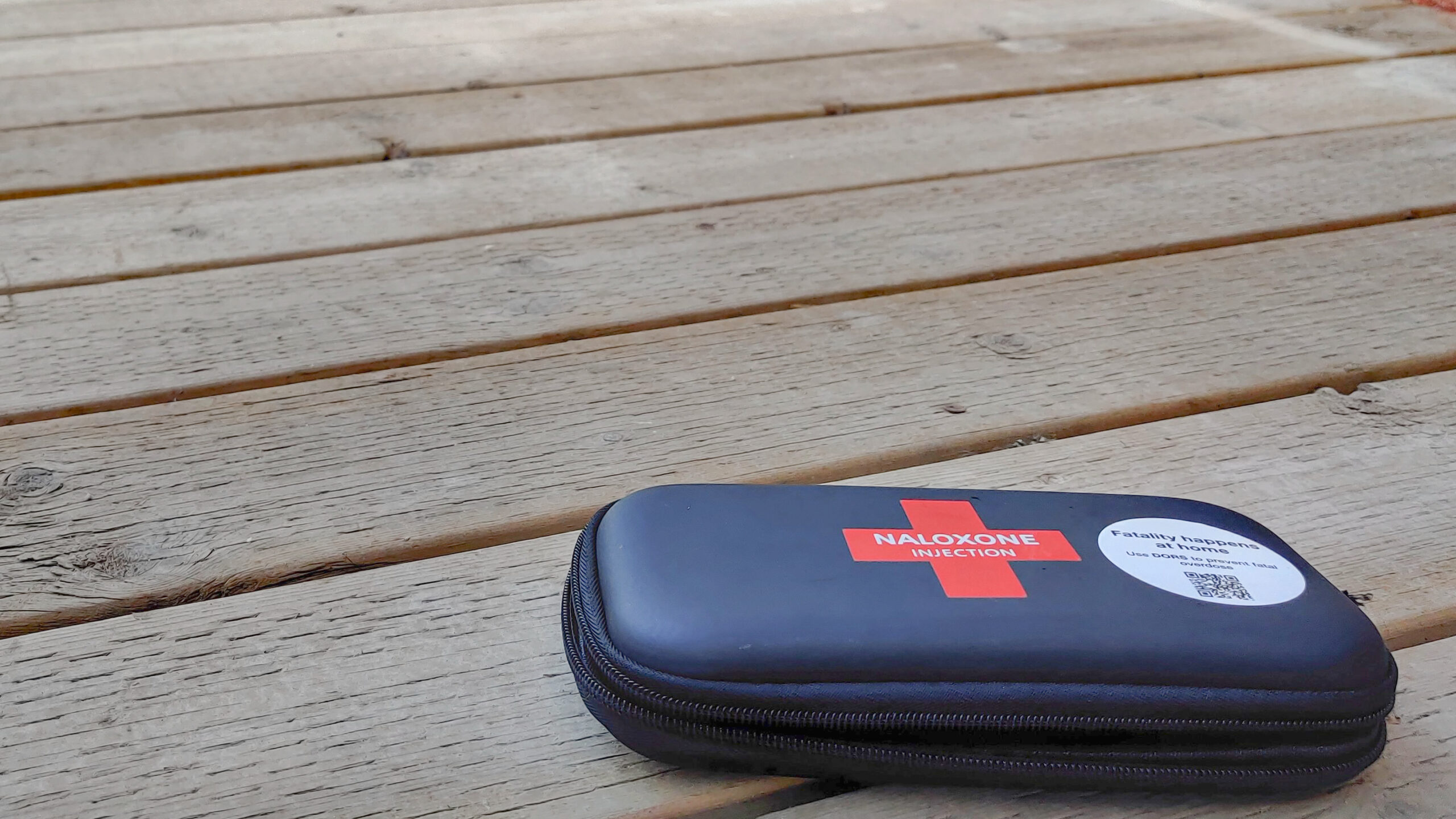
The BCCDC is urging the public to take precautionary measures and to familiarize themselves with the necessary steps to appropriately respond to a drug poisoning event. This includes calling 9-1-1, following the SAVE ME steps of opioid overdose response, and learning how to use naloxone.
They also encourage people who do use substances to apply harm-reduction strategies like avoiding unregulated opioids, not using alone, and carrying naloxone.
To learn more about toxic drug poisoning, how to prevent it and how you can help, visit Toward the Heart.
If you are seeking mental health or substance use support, you can visit HelpStartsHere.gov.bc.ca.