
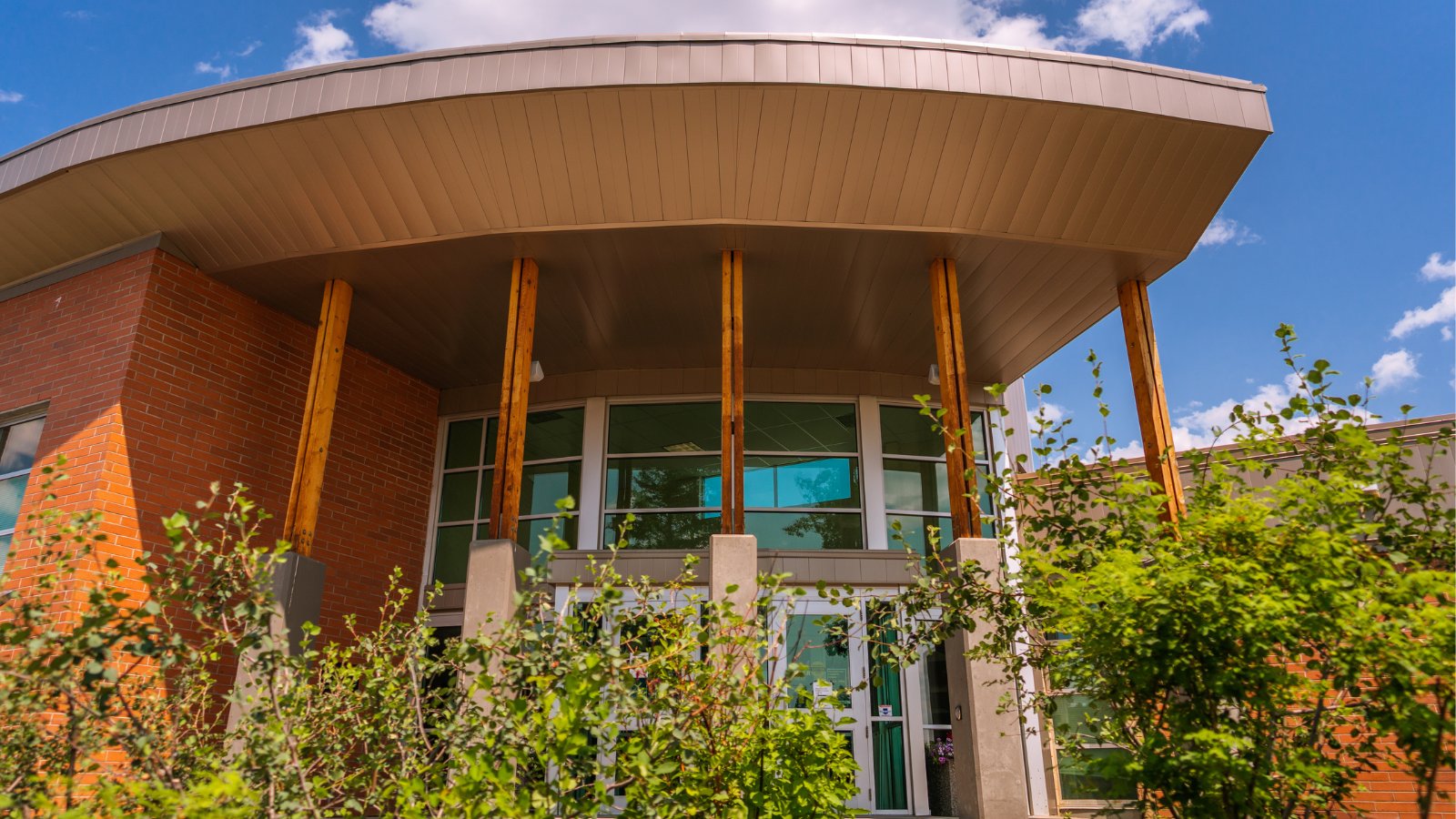
Last Friday, the TRU Board of Governors approved the motion to begin consultation on the “closure and disposal” of the facilities and grounds at the Williams Lake campus. This decision follows a deficit mitigation plan presented and approved by the board last October, intended to address a projected $25M deficit in the 2026/2027 fiscal year.
The deficit mitigation report recommended a potential shutdown to reduce costs and put the university back on track for a balanced budget. This plan refers only to the shutdown of the building and facilities—the brick-and-mortar—of the Williams Lake campus. According to the board, the university is dedicated to serving the region and does not intend to stop.
“What we are looking at is how we can support the enduring contribution of Thompson Rivers University to the programming in the Williams Lake region,” said President Airini. “TRU is committed to continuing those contributions and to doing that within our means.”
In light of this, the board approved a second motion to begin planning, from 2026 to 2028, ways to reimagine post-secondary education in Williams Lake. Presumably, TRU’s presence will continue at the Williams Lake region, just not in the way it has before.
A third decision, to approve complete closure and disposal of Williams Lake grounds and facilities by 2028, was also on the table. Due to a motion put forth by Chancellor DeDe DeRose, the final decision on that was postponed to the next board meeting in June.
DeRose, who once taught at Williams Lake early in her career and is a member of the E’sketemc First Nation, was close to tears as she spoke candidly about what she views as the importance of the campus to the community.
“I’m a Williams Lake kid,” DeRose said. “I’ve attended the commencement ceremonies, and there’s no more passionate community about … crossing the stage. Seven members from my little community crossed the stage last year in Williams Lake, and I know that they wouldn’t have, had they not had the opportunity of having the building there.”
Her motion was supported by another board member, Dancing Water Sandy, who is also a member of the Williams Lake First Nation council. Sandy spoke to the board about the importance of the building and its facilities in fostering connections and togetherness within the community.
“My fear is that, by the disbursement of programs to several locations instead of a local location, that opportunity will fall by the wayside,” Sandy said. “And as Indigenous people, we flourish when we’re connected. We flourish when we’re together. We flourish when we get to support one another in such a meaningful way.”
“I hold my hands up to you, DeDe,” Sandy added. “This really warms my heart to hear your passion, and I walk alongside you with this one, for sure.”
Both DeDe and Sandy suggested that the postponement will ensure the board makes informed, carefully considered decisions on Williams Lake and will be a chance to better involve affected communities in the decision-making process.
For the Williams Lake community in particular, the news was unexpected and unwelcome. In a Facebook post made that Friday, the city said they were unable to have a representative at the meeting, still had many questions concerning TRU’s budget, and would continue to liaise with the university for answers. In lieu of a representative, the city thanked DeRose and other community members for speaking up and expressing support for the Williams Lake campus.
Williams Lake mayor Surinderpal Rathor was much firmer in his condemnation of the process so far.
“I want to be absolutely clear,” Rathor said on Facebook. “There has been no consultation with me as Mayor, nor was this ever discussed with the City of Williams Lake. I have never agreed, and will never agree, to the closure of our university in our community.”
As the final decision has been postponed, Rathor says he will be taking action to advocate for the campus to remain. He has also urged concerned community members to take action, suggesting that they write to their local MLA and MP, as well as the university itself.
“Our community deserves to be properly consulted…not informed after the fact,” Rathor added in a Facebook comment. “We will not accept decisions being made without local voices at the table. There is a path forward, one that supports TRU while protecting access to education in our region. But it requires accountability, transparency, and a willingness to listen. This is bigger than numbers or reports. This is about our community, our students, and our future. We need to get this right.”
Regardless of what Rathor and concerned community members hope to achieve, they must contend with the reality of TRU’s current budget crisis. A report presented to the board claims that the Williams Lake campus loses around $3.4 million each year, and Matt Milovick, vice-president of administration and finance, confirmed that the building maintenance alone will be about $5.6 million over three years.
As the international student crisis leaves TRU with financial constraints, tension continues to build between the university’s financial responsibility and community expectations.
“I know it’s a building, so I’m trying really hard not to be attached to a building,” DeRose said. “I want our board to be very careful to do the right thing for the Williams Lake community. And I apologize for getting emotional.”