
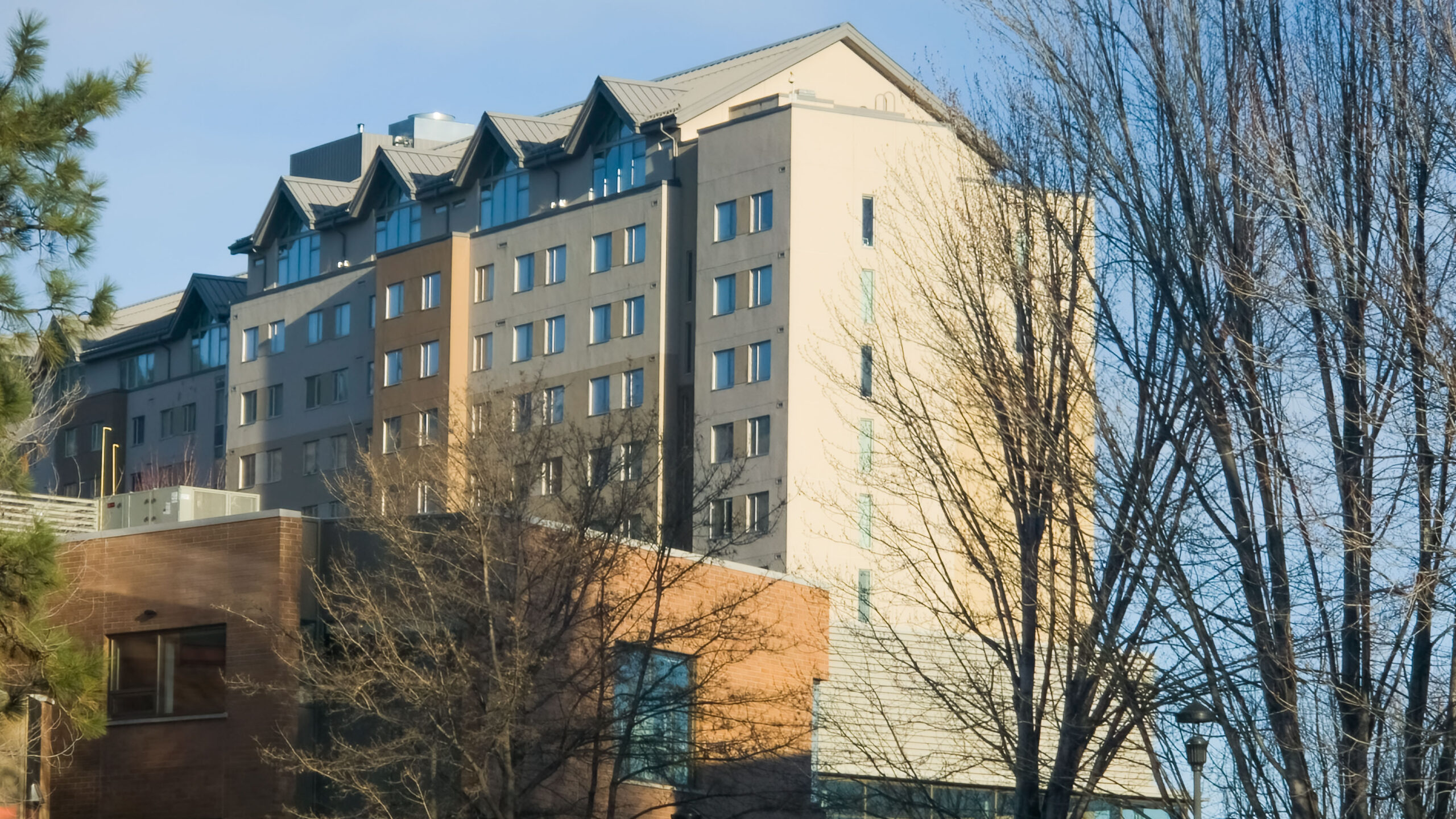
On Jan. 12, 2026, TRU Housing sent an email to current residents informing them of a fee increase effective September 2026. The email stated that the increase is due to operating costs and ongoing maintenance of on-campus housing.
While many of the students residing at TRU may have been aware of the increase beforehand, the news was still met with shock and concern.
Recently, residents of North Tower spoke on the issue. Some described their feelings towards this increase as frustration, sadness, unhappiness and confusion.
“I am not very happy, and I am questioning if I want to come back here”, Chanel Lopez said.
At odds, some student critics say, are the fee increases and TRU’s commitment to affordable housing. According to TRU’s Housing website, “TRU is committed to providing affordable and accessible housing through a combination of direct housing options, financial support, and affordability assessments.” Some residents feel this statement is being undermined by the upcoming fee increase, prompting questions about whether the increase can be justified.
Currently, the rate for a one-bedroom suite in the Coyote Den is $10,300 per academic year, while two-bedroom suites or apartments range from $9,560 to $10,160 per student. In contrast, for the upcoming 2026/27 academic year, a one-bedroom suite in the Coyote Den will cost $10,810, while two-bedroom accommodations in the North Tower and East Village will range from $10,035 to $10,060 per student, respectively.
Residents were asked if they believe the current quality of residence life reflects the price they are paying. Those who responded said no, suggesting there remains a mismatch between the price they pay and the quality of their accommodations. A common concern among several residents was the condition of the dorm kitchens.
“We don’t have ovens, for example, in our kitchens, which is like a huge thing you would get in an apartment building,” said Kalli Krehbiel, a North Tower resident.
Residents find it hard to justify paying this upcoming increase when they are not given a full kitchen, which is likely something they would get in an apartment or a basement suite.
“If students are expected to pay an increased rate, the amenities should improve as well,” Krehbiel said.
There are common kitchens in the building that residents are welcome to use, but according to North Tower resident Sarah Prestmo, they’re not often convenient.
“Every time I have gone to the communal ones, [they’re] always full,” Prestmo said, explaining that scheduling conflicts make it difficult for residents who need an oven to cook their meals.
Another concern raised was the rules that come with living in residence, which Prestmo called “unnecessary.”
Some residents pointed to restrictions on visitors and check-ins by resident advisors, finding such rules overly restrictive. These rules, students say, require visitors to be checked in. Additionally, rules concerning restricted hours and times during the semester–where residents are not permitted to have visitors–have also been instituted. This puts limits on social interactions, which are very important for students. Residents have complained, finding the practice irritating and unnecessary, with frequent check-ins from resident advisors viewed as excessive by many. Residents argue that check-ins reduce independence of living on their own, and at times serve little purpose.
“You’re living on your own, and they make sure you’re responsible for everything, but then they are constantly checking in,” Prestmo said.
TRU Housing is home to many domestic and international students, coming from all over the world. With costs for international students rising, those who decide to live in residence are now having to pay higher fees as well. International students already face higher costs, as they pay higher tuition rates to attend a Canadian University. This is discouraging for many of these students.
The convenience of on-campus housing is what makes it appealing to so many students. All three residence buildings are located within walking distance to classes, grocery stores, restaurants and more. The increase has now left students debating whether the location is worth paying the higher cost.
Looking ahead, some residents have said they plan to live on campus for one more year and then will look at other options, including moving to off-campus housing or, in some of the more extreme cases, returning to their homes and finishing their degrees online to try to help manage the rising costs of university. Other residents have said they will seek alternative living options for September 2026.
“I don’t plan to live in residence next year, especially since this increase has happened. I will be seeking either an apartment-style building or a basement suite just because they are cheaper options now,” Krehbiel said.