
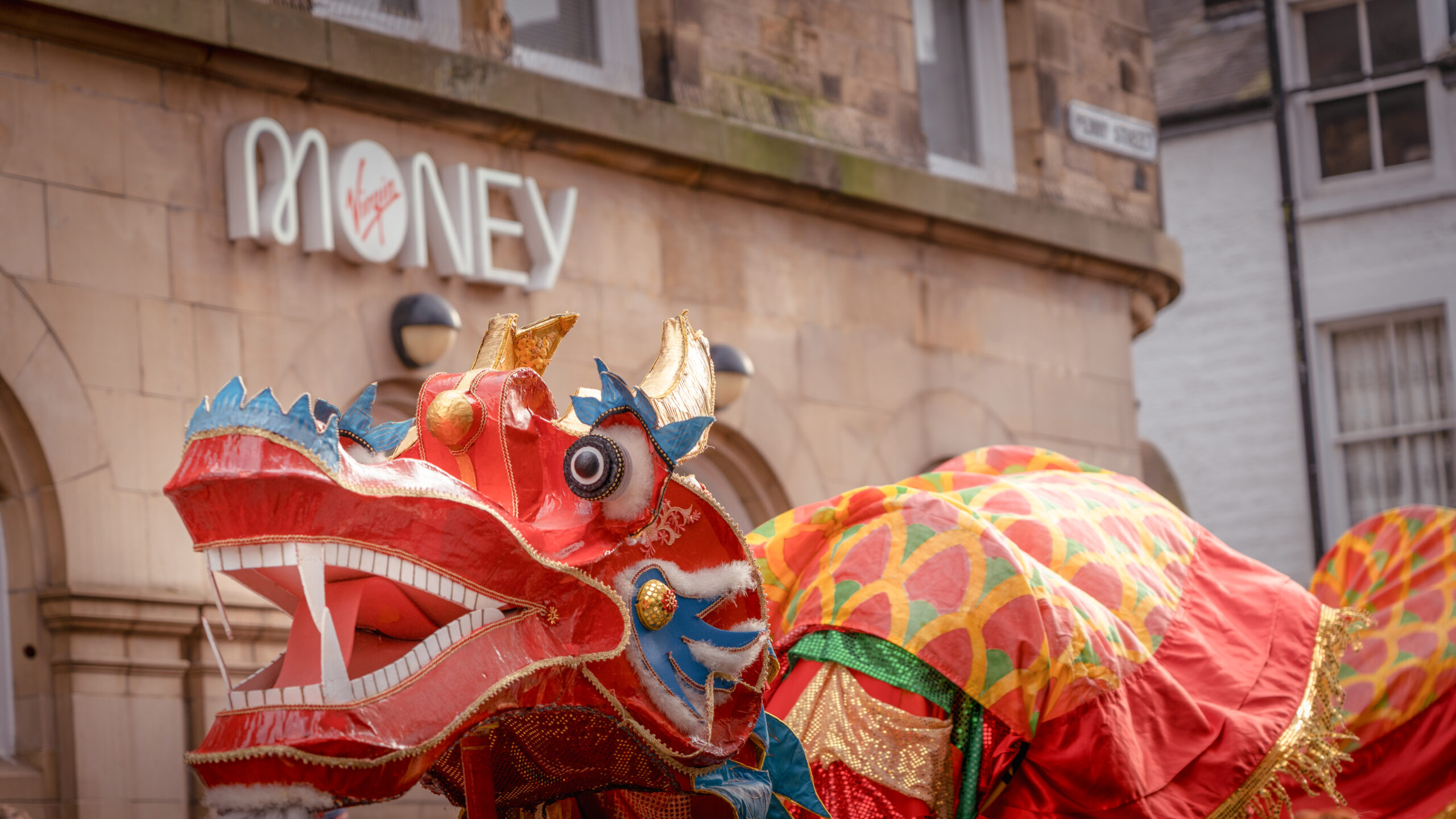
As winter gives way to spring, the world begins to awaken. Across countries and even continents, cultures celebrate fresh beginnings in their own individual ways; each beautiful and integral to the human experience. Why is this important? In an era of sociopolitical uncertainty, it is far more productive to highlight the commonalities shared rather than continue to polarize. Here are some of the cultural and religious events currently shared worldwide during the season.
Chinese New Year
From Feb. 17 to March. 3, about 1.5 billion people celebrate the turn of the new year with good fortune in mind. The celebration of the Chinese New Year is a tradition that centres on honouring family, often including dragon dancing, giving red envelopes (a lucky colour in Chinese tradition) with money and feasting amongst loved ones.
Within the tradition of the Chinese New Year is the recognition of the 12 zodiac signs, each with its own distinct story and personality. 2026, specifically, is the year of the horse, which is characterized as energetic, loyal and independent.
Lent and Easter
The tradition of Lent is known in the Catholic community as a time for spiritual and personal reflection that lasts 40 days, beginning on Ash Wednesday and culminating on Easter Sunday. During this time, those who observe are prompted to give up luxuries and vices, which parallels the story of Jesus in the desert.
Now, you may be thinking, “Then where did the bunny and chocolate come from?” Don’t worry, we were just as confused as you until we went down the aptly named proverbial “rabbit hole.” Apparently, the Easter bunny has no relation to the crucifixion of Christ but is a secular creature from Germanic folklore. Easter is another example of how different cultures prepare for the beginning of spring, and the holiday’s imagery, such as chicks, flowers and eggs, are all aspects of birth and fertility, much like the changing of the seasons.
Ramadan
For Muslims around the world, Ramadan marks a sacred month of fasting, prayer and reflection. From dawn until sunset, those observing abstain from food and drink, redirecting their focus inward toward discipline, gratitude and spiritual growth. The fast is broken each evening with iftar, often shared with family, friends and community members, turning what could be an individual act into a deeply collective one.
But Ramadan is not simply about hunger. It is about intention. It asks participants to become more conscious of their habits, their words and their treatment of others. Many commit to increased prayer, reading the Qur’an and acts of charity, which are foundational to the five pillars of Islam. During this period, practitioners place a heightened emphasis on empathy, particularly for those who experience food insecurity not as a choice but as a reality.
The month concludes with Eid al-Fitr, a celebration marked by communal prayers, festive meals and giving. After weeks of reflection and restraint, Eid feels like exhaling. New clothes are worn, sweets are shared and gratitude takes center stage. As with the Chinese New Year, a tradition of Eid involves adults gifting money to children. Much like the shift from winter to spring, Ramadan moves from quiet introspection to renewed joy, reminding us that growth often begins in stillness and blossoms in community.
Passover
In Jewish communities, Passover commemorates the liberation of the Israelites from slavery in Egypt. The holiday is centered around the Seder, a ritual meal where the story of Exodus is retold, symbolic foods are shared and questions are encouraged, especially from the youngest at the table.
Passover, too, is rooted in themes of renewal and freedom. It asks participants to remember hardship while celebrating resilience and liberation. It is historical, spiritual and deeply communal all at once.
As different as these traditions may appear on the surface, a common thread runs through them: reflection, community and hope. Whether through fasting, feasting, storytelling or dancing dragons through the streets, each celebration invites people to pause and begin again.
Spring does not discriminate in who it reaches. The thaw arrives for all of us. Perhaps the same can be said for renewal.