
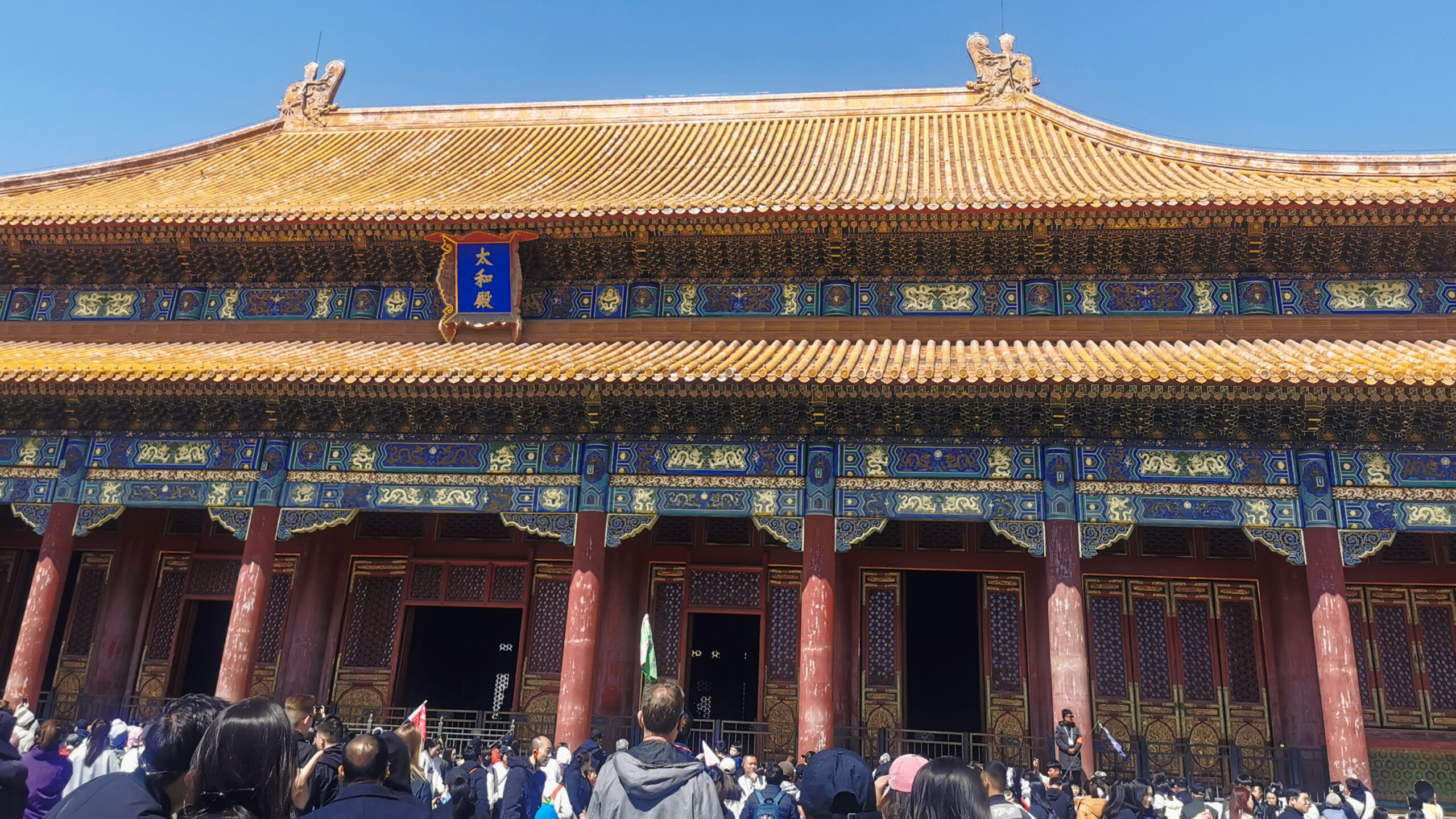
One of the top countries many people choose to visit in Asia is Japan. While Japan is a popular choice for many people to explore, and I highly encourage the trip, I also encourage individuals to consider China. Although China was once overlooked as a potential tourist destination, it has grown increasingly popular in recent years. I argue that while China is a hidden gem not only as a tourist destination, but also as a country that many people don’t realize is a phenomenal place to study.
In a world becoming increasingly globalized, more students are choosing to pursue or advance their education abroad to prepare themselves for a future with more opportunities. China is noted as a country that has seen rapid economic growth in recent times. With its rich culture and heritage, China presents numerous opportunities for students abroad to study, ranging from a week-long field trip to graduate and post-graduate programs, often through scholarships or agreements with countries at a governmental level.
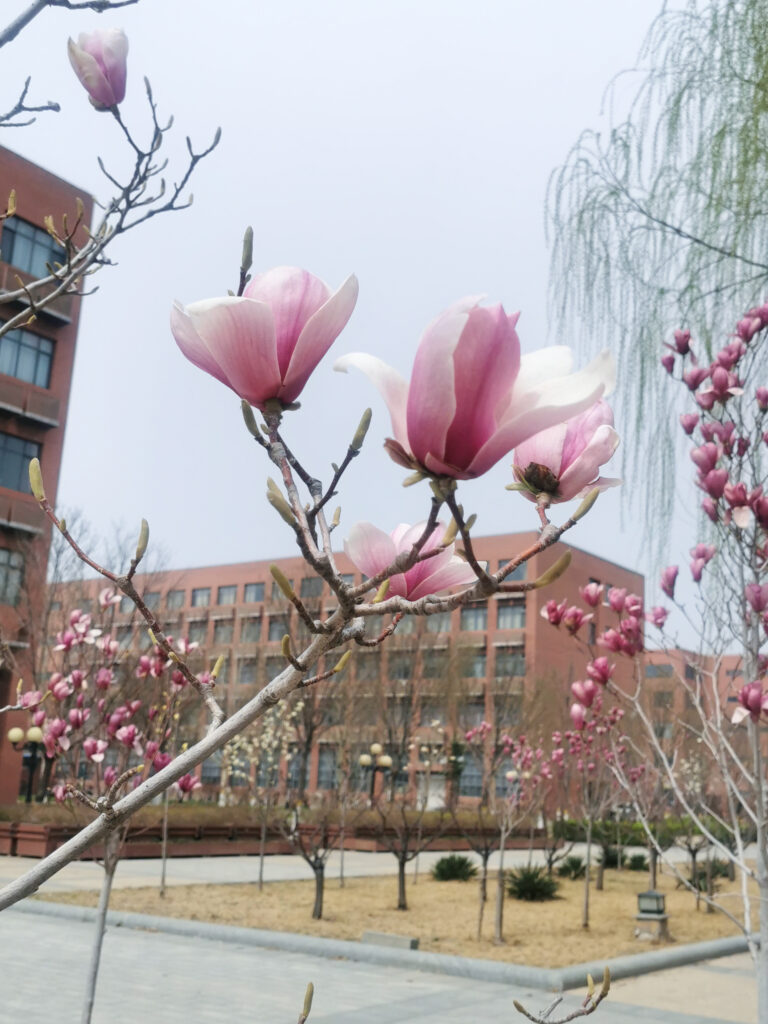
I was fortunate enough to take advantage of a full-ride scholarship to study in China for one academic year, which was provided to me by the Canadian and Chinese governments. Having studied and lived in Spain and Switzerland previously, this was a country that would be completely different from what I was used to living in a Westernized society. The contrast between Western societies and China made my time living abroad challenging, and forced me to keep an open mind and gain perspectives that I would not have developed elsewhere. I was already accustomed to Chinese traditions, celebrations and food. Yet there were things I was not prepared for.
Studying in China does not come without its challenges. One of the most significant challenges people may face while studying in China is the language barrier. Despite English being the lingua franca (a “bridge” or “common” language), not many people speak English on a conversational level in China. I am fortunate enough that I already spoke Chinese before visiting China, but that was it. I only knew how to speak the language. Reading and writing were simply not skills I was capable of at the time.
Despite studying Chinese, there were many situations where communication was frustrating, and misunderstandings were unavoidable, especially when trying to convey how I felt. Sometimes I just didn’t know how to explain how I felt, even though I knew how to communicate it in my native language. However, living in China allowed me to practice my Mandarin daily, and the constant exposure accelerated my learning and gave me the confidence to communicate.
Another obstacle I faced abroad was homesickness. Like many international students, being far away from home, friends, family and familiar surroundings can make moments difficult, especially during the holidays. Adjusting to a new climate and lifestyle required time and flexibility. Sure, I had lived in Switzerland and Spain prior, but I always knew someone would be there with me, whether that was arranged or someone else studying at TRU. However, this was the first time I had really gone by myself to a place I had never been before, with nobody I was familiar with. Having to deal with personal issues without the support of family and friends became increasingly difficult at times.
The time difference of 15 or 16 hours also made communication hard. There were times I would be up late at night communicating with family and friends back in Kamloops, or talking to them as they went to sleep. Yet I did manage to make my own group of friends.
Despite my rigorous and homework-heavy classes, I could not survive without making friends. I came across a music club during a club day on campus, and it caught my eye. I ended up joining an orchestra and a small jazz band (involuntarily, but I am glad I did so!) and played tenor saxophone for the academic year. I was able to connect with local Chinese students, who in turn connected with an international student through similar interests. Music became a language we could all understand, and bonds were formed despite our cultural and linguistic differences. Through each rehearsal, it helped ease the homesickness and made China feel like a second home to me, which it is.

LiFei Liu-Calver/The Omega
Living and studying in China had pushed me to grow in ways I had not fully anticipated. While expectations were high and demanding, the mix of rigorous academics and cultural immersion made my time in China enriching. Language barriers and cultural differences tested me as a person, but taught me to be independent and adaptable while developing a global mindset and appreciation for perspectives different from my own.
So, in conclusion, I think China deserves far greater recognition as both a tourist destination and a place to study. The long-term impacts one has living and studying in China will surely be an experience for students seeking something far beyond what they are familiar with.